 IDN
IDN
 ENG
ENG 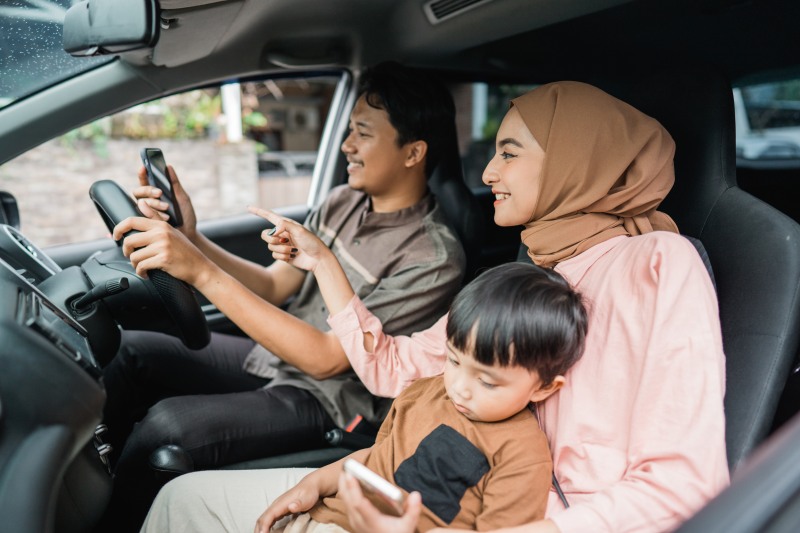

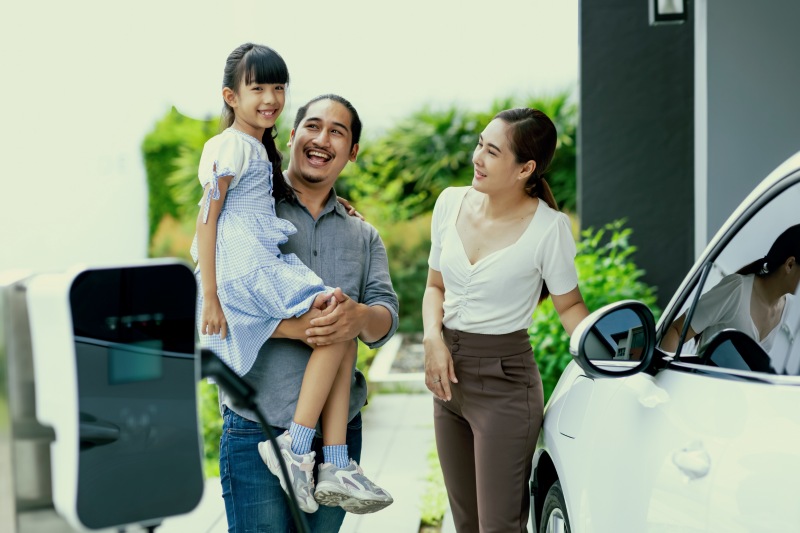
The rapid growth of the Electric Vehicle (EV) market in Indonesia is one of Southeast Asia’s most exciting transformations. As the country pivots toward greener transportation, the Indonesian government offers special incentives for EV purchases, making these cars an increasingly attractive option for Indonesians, including young families.
While they are interested in the environmental benefits and long-term cost savings of EVs, young families’ purchasing decisions for high-value items like family cars are still driven by fundamental needs such as safety, affordability, and practicality. These considerations carry even more weight as parents manage tight budgets for their children’s education, making high-priced cars like EVs feel riskier and difficult to justify.
This is the reality that EV brands seeking to enter the Indonesian market must face. A brand must communicate its value proposition in a way that fits the daily lives, financial constraints, and transportation challenges of Indonesian parents.
Here, we conducted research with AskLumia, an AI-powered research tool, to better understand how an electric vehicle (EV) brand can effectively reach the young parent segment in Indonesia.
Key Factors That Drive Young Families Toward Electric Vehicle Indonesia Choices
AskLumia lets you research any topic you are curious about. Whether it’s for work, personal curiosity, or lifestyle needs, you’ll get comprehensive insights at your fingertips in just minutes.
For this topic, we began the research with a simple prompt: “Give me insights about how young parents in Indonesia think and behave when choosing an electric vehicle, including their decision-making process and where they get information.”
Core Research Findings
To effectively penetrate the Indonesian market, it is crucial to understand the specific attitudes and behaviors of young parents. AskLumia identified several key findings that highlight their decision-making priorities, media consumption habits, and perceptions of the current automotive landscape.
- Young Indonesian parents prioritize safety, affordability, and practicality when choosing a family vehicle. While they are interested in the environmental and long-term cost-saving benefits of EVs, their primary concerns revolve around the high purchase price, limited charging infrastructure, and battery range anxiety. This makes them cautious and hesitant to adopt new technology, especially from an unfamiliar brand, without clear evidence of its reliability and suitability for family life.
- This demographic is highly active on social media platforms, particularly Instagram, YouTube, and TikTok, where they seek authentic and trustworthy content. They place significant value on recommendations from other parents and relatable influencers who provide honest reviews, practical tips, and real-life testimonials. These digital channels are therefore critical for building brand awareness, educating potential customers, and establishing a foundation of trust.
- The Indonesian automotive market is currently dominated by established Japanese brands like Toyota, which is widely trusted for its reliability and family-friendly designs. However, the recent success of new entrants like BYD demonstrates that there is a significant market opportunity for new EV brands that can employ aggressive pricing and effective marketing strategies. This indicates that while brand loyalty is strong, consumers are open to new options if the value proposition is compelling and directly addresses their needs.
How Electric Vehicle Brands Can Win the Young Family Market in Indonesia
When conducting research with AskLumia, you don’t just get insights, but you also receive clear, top-line recommendations to help you take action with confidence. Based on the findings above, here are key strategies to build trust and encourage EV adoption among young families.
Build Trust Through Safety and Transparent Value
Develop a core marketing message centered on “Family-First Safety and Value.” This campaign must transparently address the primary purchase barriers by emphasizing advanced safety features tailored for children, the total cost of ownership (highlighting lower running and maintenance costs), and a comprehensive warranty package. Offering clear, competitive pricing and actively promoting available government incentives will be crucial to directly address affordability and reduce the perceived financial risk for budget-conscious families.
Educate Through Real Stories and Parent Influencers
Launch an authentic, multi-platform digital campaign focused on education and community-building. This involves collaborating with trusted parenting influencers on Instagram and YouTube to create relatable content, such as “day in the life” videos showcasing the EV on family trips, real-world range tests, and detailed testimonials.
Use these platforms to provide clear, easily digestible information about charging, maintenance, and safety features to demystify EV ownership and build a credible, supportive brand community.
Strengthen Credibility With Test Drives and Pop-Up Showrooms
Implement a phased market entry strategy that combines a strong digital presence with tangible, offline experiences to build credibility and accessibility. This includes establishing pop-up showrooms and organizing test-drive events at family-friendly locations like malls and community centers, allowing parents to experience the vehicle firsthand.
Concurrently, the brand must invest in creating a visible and reliable charging network in key urban and suburban areas to directly counter infrastructure concerns and demonstrate a long-term commitment to the Indonesian market.
The Right Strategies Help Young Families Explore EV Options with Confidence
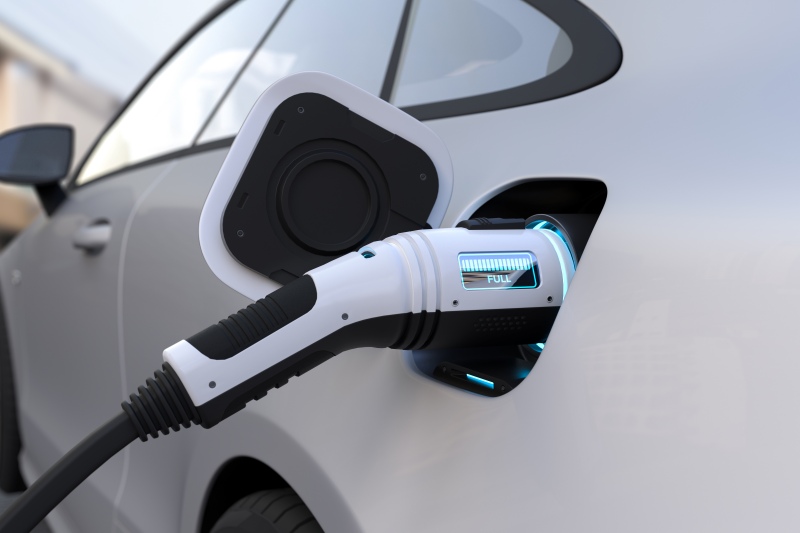
Insights from AskLumia show that Indonesian consumers are open to exploring new EV brands if the offering truly meets their needs and minimizes risk. Despite existing challenges, the EV market still holds strong potential, especially for brands that can communicate safety, practicality, and value clearly.
Winning young families in Indonesia requires more than introducing a new electric car. It requires positioning your EV as a safer, smarter, and more cost-efficient partner for daily life. Parents aren’t just buying a vehicle; they’re choosing a protector for their children and a long-term investment during financially tight times.
Most importantly, brands need to understand that trust is built through proof, not promises. Clear pricing, opportunities to experience the product firsthand, transparent ownership costs, visible charging infrastructure, and real testimonials all play crucial roles. When young families feel that an EV is reliable, affordable, and designed for their everyday needs, choosing it becomes a natural and confident decision.
If you want deeper insights into how Indonesian families think, decide, and adopt new technologies, explore AskLumia, your AI-powered research partner that delivers clear, actionable consumer intelligence in minutes.

Related article: Is Telemarketing Still Relevant in Indonesia’s Digital Era?