
 IDN
IDN
 ENG
ENG 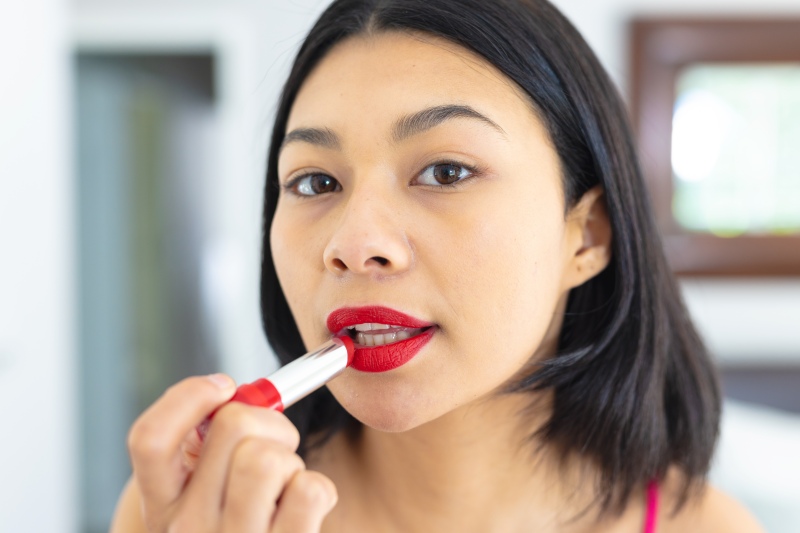

The Indonesian beauty market tells an interesting story. Consumers show genuine excitement for cosmetic products for self-improvement, social acceptance, and self-expression. However, there’s a real hesitation when it comes to actually trying something new.
These concerns come in many forms. Some customers are worried about allergic reactions, skin irritation, and product ineffectiveness, while others are more concerned about serious, long-term skin damage from harmful or illegal ingredients. These concerns are made worse by a crowded online market, where it’s hard for consumers to tell genuine peer advice from paid influencer content.
The primary challenge for cosmetic brands in Indonesia is to effectively navigate this high-stakes environment of consumer skepticism. Make it crucial for building and maintaining trust on a complex interplay of factors, including official regulatory approval from bodies like BPOM, transparent sourcing and ingredient safety, and credible social proof.
To understand this complex dynamic and uncover actionable insights, we conducted comprehensive research through AskLumia, an AI-powered research platform.
Understanding Consumer Fears in Indonesia’s Cosmetic Product Market
AskLumia allows you to research any topic you are curious about. Whether it’s for work, personal curiosity, or business needs, you’ll get comprehensive insights in just minutes.
For this topic, we began the research with a simple prompt: “What are the biggest fears or concerns when Indonesians try a new cosmetic product for the first time?”
Core Research Findings
AskLumia’s integrated analysis of internal digital personas, prior survey data, and external market research reveals a consistent and multifaceted landscape of consumer fear in the Indonesian cosmetics market. The following key findings break down the primary drivers of this apprehension, from ingredient safety and product authenticity to the critical roles of social proof and regulatory oversight.
- Ingredient Safety and Side Effects are Paramount: Across all internal and external data sources, the fear of adverse reactions, long-term skin damage, and exposure to harmful ingredients is the most significant concern for Indonesian consumers. Internal digital personas reveal that users actively avoid products with harsh chemicals and fragrances, a fear substantiated by external web crawling that highlights real-world cases of severe skin damage from illegal products containing mercury, reinforcing the gravity of this concern.
- Authenticity and Regulatory Trust are Non-Negotiable: Consumers express deep-seated concerns about counterfeit products and demand clear, verifiable proof of a product’s legitimacy. Internal survey data shows a reliance on purchasing from reputable sellers and checking packaging, which is strongly aligned with external research identifying BPOM (Food and Drug Monitoring Agency) approval as a critical factor in building trust. This is further underscored by the upcoming 2025 government mandate for Halal labeling, which consumers see as an assurance of both authenticity and safety.
- Peer Reviews Outweigh Influencer Marketing: Internal personas and survey insights consistently indicate that consumers place the highest trust in user-generated content from peers on platforms like Female Daily, TikTok, and e-commerce sites. This finding is powerfully corroborated by external data, including a YouGov report noting that 54% of Indonesian beauty customers trust peer reviews over influencers. This highlights a clear preference for authentic, unsponsored validation when making purchasing decisions.
- Diverse Segments Hold Nuanced Concerns: Our analysis of digital personas reveals that consumer anxieties are not uniform across all demographics. Younger (18-24) local-brand users are primarily concerned with price, product availability, and quality consistency. In contrast, older (25-44) and higher-income consumers of international brands focus more on ethical sourcing, environmental impact, and innovation, indicating that a one-size-fits-all approach to building trust will be ineffective.
A Strategic Strategy to Build Consumer Trust
Based on these findings, brands need a multi-step strategy to address consumer fears and build lasting trust. AskLumia has provided a clear and actionable strategy for brands to increase transparency, engage authentically, and tailor their offerings to meet the diverse needs of Indonesian consumers.
a. Champion Radical Transparency in Ingredients and Sourcing
Brands must move beyond basic ingredient lists to provide clear, accessible information about the function, safety, and sourcing of each component. This directly confronts the primary consumer fear of harmful ingredients, identified in our internal personas and validated by external reports on dangerous substances. Creating educational content around ingredient safety will build trust with consumers who prioritize transparency and scientific backing.
b. Amplify Authentic Social Proof and Regulatory Endorsements
Brands should strategically prioritize the cultivation and promotion of genuine user-generated content over influencer-led campaigns. Featuring authentic customer reviews and testimonials on product pages and social media will leverage the high trust placed in peer validation. This should be coupled with the prominent display of BPOM registration and Halal certification to capitalize on these critical, non-negotiable trust signals.
c. Develop Segment-Specific Trust-Building Strategies
Address the distinct concerns of different consumer demographics by creating tailored communication and marketing strategies. For younger, budget-conscious consumers, messaging should focus on quality assurance and value for money. For older, more affluent segments, communications should highlight innovation, scientific efficacy, and ethical commitments, reflecting the nuanced priorities identified in our digital personas.
d. Introduce “Safety-Net” Options to Reduce Trial Barriers
Mitigate the consumer fears of wasting money and experiencing adverse reactions by offering trial-sized products, satisfaction guarantees, or straightforward return policies. This tactic directly addresses the cautious and skeptical consumer mindset identified in our internal research. It lowers the barrier to trying a new product and demonstrates a brand’s confidence in its own safety and effectiveness.
How Indonesian Beauty Customers Make Decisions

Indonesian beauty customers are eager to try new products, but they are cautious due to legitimate concerns. Their main worry is harmful ingredients that could damage their skin, particularly after hearing about illegal products containing dangerous substances like mercury. They seek assurance that the products they buy are safe and legitimate. For this reason, BPOM approval and the upcoming Halal certification are essential for gaining their trust.
How decisions are made gives important insights. More than half of beauty customers trust what other regular customers say over what influencers promote. They’re scrolling through Female Daily, reading TikTok comments, and checking e-commerce reviews because they want honest opinions from people like them, not polished marketing messages. It’s a shift that brands can’t afford to ignore.
Different groups of customers also worry about different things. Younger buyers who are more budget-conscious care most about getting good quality at the right price and knowing the product will actually be available when they want to reorder. Meanwhile, older, more affluent customers ask deeper questions about where ingredients come from, whether brands treat workers fairly, and what impact products have on the environment.
The solution isn’t complicated, but it does require commitment. Brands need to be completely open about what’s in their products and where it comes from, not just listing ingredients but explaining why each one is safe and what it does.
They should showcase real customer reviews, make sure BPOM and Halal certifications are clearly visible, and speak differently to different audiences based on what matters to them. Offering small trial sizes or money-back guarantees also helps first-time buyers actually take the first step.
When brands get this right, fear turns into trust, and trust turns into loyalty. The Indonesian beauty market is full of opportunities for companies willing to meet consumers where they are, address their concerns honestly, and give them the confidence to say yes.
Want to uncover insights like these for your own business? Try AskLumia and discover what your customers really think, what your competitors are missing, and where your biggest opportunities lie.
Related article: What Drives Personal Care Product Choices in Indonesia