
 IDN
IDN
 ENG
ENG 

FMCG brands looking to expand in Southeast Asia often see Indonesia as one of the most promising markets. With more than 270 million people, a growing middle class, and strong consumer spending, Indonesia offers massive opportunities for regional expansion. However, winning Indonesia’s retail shelves is not as simple as replicating strategies that worked in other Southeast Asian countries.
For many FMCG brands, success in Indonesia requires a deep understanding of local shopper behavior, retail dynamics, and distribution channels. Without the right market insights, even well-known brands can struggle to secure shelf space and maintain strong sales performance.
In this guide, we explore key strategies that Southeast Asian FMCG companies should consider when entering Indonesia’s highly competitive retail landscape.
Why Indonesia Is a Strategic Market for FMCG Brands?
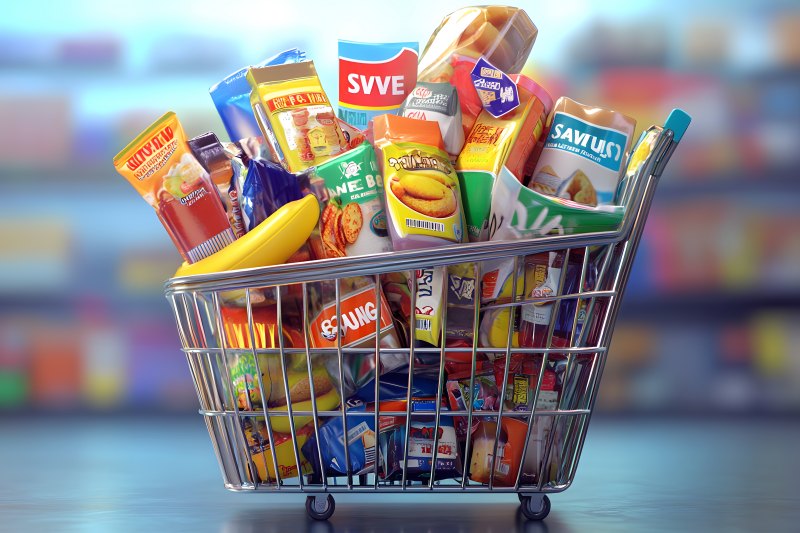
Indonesia is one of the fastest-growing consumer markets in Southeast Asia. The country’s young population, increasing urbanization, and expanding digital ecosystem have significantly influenced purchasing behavior.
For FMCG brands, this means strong demand across categories such as food and beverages, personal care, household products, and packaged goods. However, the Indonesian retail landscape is unique in that it comprises both modern and traditional trade channels.
Modern retail includes supermarkets, hypermarkets, and convenience stores, while traditional retail consists of small neighborhood shops commonly known as warungs. These small stores still account for a large portion of daily consumer purchases.
Because of this dual retail system, FMCG brands must design strategies that work across multiple distribution channels rather than focusing only on modern retail outlets.
Related article: Top FMCG Trends in 2030: Key Strategies Brands Need to Win
Understanding Shopper Behavior in Indonesia
One of the most important steps for FMCG brands entering Indonesia is understanding local shopper behavior. Indonesian consumers often prioritize affordability, product familiarity, and value for money.
Many shoppers also prefer smaller packaging sizes, commonly known as sachet packaging. This allows consumers to purchase products at lower price points while maintaining access to well-known brands.
Additionally, purchasing decisions are often influenced by:
- Promotions and discounts
- Product visibility on shelves
- Brand trust and familiarity
- Recommendations from family or friends
Because of these factors, FMCG brands must pay close attention to how products are displayed in stores and how pricing strategies are structured.
Understanding these behaviors can help companies design products and marketing campaigns that resonate with Indonesian consumers.
The Importance of Strong Distribution Networks
Distribution plays a crucial role in determining whether FMCG brands succeed in Indonesia’s retail market. The country’s geography, consisting of thousands of islands, creates logistical challenges for many companies.
Brands that rely solely on centralized distribution often struggle to reach smaller cities and rural areas where consumer demand still exists.
Successful FMCG brands typically partner with local distributors who already have established networks across different regions. These partnerships help brands ensure that products remain consistently available in both modern retail outlets and traditional stores.
Without strong distribution coverage, even popular products may fail to gain traction simply because consumers cannot easily find them.
Winning Shelf Space in Competitive Retail Stores
Securing shelf space is one of the biggest challenges for FMCG brands entering Indonesia. Retail shelves are highly competitive, and local brands often already have strong relationships with retailers.
To stand out, companies must invest in trade marketing strategies that encourage retailers to prioritize their products.
Some effective tactics include:
- Attractive packaging: Packaging design plays a major role in influencing purchasing decisions. Bright colors, clear product benefits, and recognizable branding can help products stand out on crowded shelves.
- Strategic product placement: Eye-level shelf placement significantly increases product visibility and can drive impulse purchases.
- In-store promotions: Discounts, bundle offers, and sampling campaigns can encourage trial among new customers.
For many FMCG brands, these in-store strategies are essential to building awareness and driving early sales momentum.
Related article: Future of FMCG 2030 and the Rise of AI Retail
Localizing Products for Indonesian Consumers

Localization is another key factor that determines whether FMCG brands succeed in Indonesia. Consumer preferences vary significantly across Southeast Asia, and products that perform well in one country may not resonate in another.
In Indonesia, for example, food products often need to meet halal certification requirements to gain consumer trust. Taste preferences can also differ significantly from neighboring markets.
Similarly, personal care products may require adjustments to fragrance, packaging size, or pricing strategy to align with local expectations.
By adapting products to local preferences, FMCG brands can increase acceptance among Indonesian shoppers and build stronger brand loyalty.
Leveraging Data and Market Insights
Data-driven strategies are increasingly important for FMCG brands seeking to win shelf space in Indonesia. Instead of relying solely on assumptions, companies now use market research to understand consumer needs and shopping behavior better better.
Shopper research can reveal valuable insights such as:
- Which product features matter most to consumers
- How shoppers compare competing brands
- What factors influence in-store purchasing decisions
- Which price points attract the most buyers
These insights help FMCG brands make informed decisions about product development, marketing strategies, and distribution planning.
With accurate consumer data, companies can reduce market-entry risks and identify growth opportunities.
Building Long-Term Brand Presence
Entering Indonesia’s retail market is not just about launching products; it is about building long-term brand presence.
For FMCG brands, consistent brand messaging, reliable product availability, and strong retailer relationships are essential to sustaining growth. Companies that invest in long-term brand building are more likely to maintain shelf space and remain competitive against local players.
Marketing efforts should combine both offline and digital strategies, including in-store promotions, influencer campaigns, and online engagement.
By integrating these approaches, FMCG brands can create stronger connections with Indonesian consumers and build lasting trust.
Conclusion
Indonesia offers enormous growth potential, but entering the market requires thoughtful strategy and deep local understanding. From distribution challenges to shopper behavior and retail competition, many factors influence whether products succeed on store shelves.
For FMCG brands, winning Indonesia’s retail shelves means going beyond basic market entry strategies. Companies must adapt products, understand consumer preferences, and build strong partnerships with retailers and distributors. These steps help brands build stronger connections with Indonesian shoppers and maintain long-term competitiveness in the market.
To support these strategies, reliable consumer insights are essential. Through Market Research Populix, companies can conduct shopper behavior studies to understand better how Indonesian consumers choose products, the factors influencing their purchasing decisions, and how brands can improve their retail strategies.
With the right data and insights, FMCG brands can make smarter decisions and increase their chances of success in Indonesia’s competitive retail landscape. Contact us to learn more about how Populix can support your market research needs.

Related article: SEA Brands Entering Indonesia: Common Mistakes to Avoid