
 IDN
IDN
 ENG
ENG 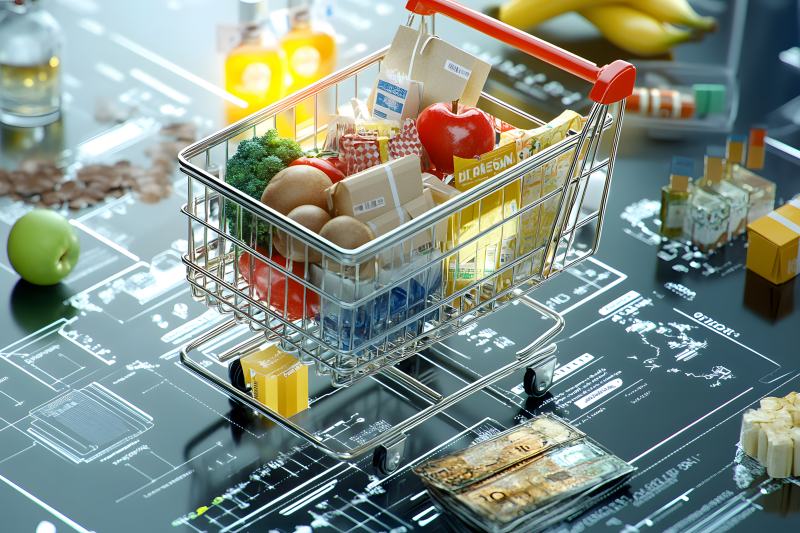

FMCG trends are shifting at an unprecedented pace as consumer behavior evolves, technology reshapes industries, and global challenges redefine priorities.
By 2030, Fast-Moving Consumer Goods (FMCG) brands that stay ahead of these trends will not only survive but also thrive in an increasingly competitive market.
In this article, we’ll explore the most important FMCG trends brands must prepare for now, from sustainability and personalization to retail innovation and data-driven growth strategies.
Whether you’re a startup or an established FMCG giant, these insights will help you anticipate change and make informed decisions to future-proof your business.
What Brands Need to Prepare Now for 2030 FMCG Trends?
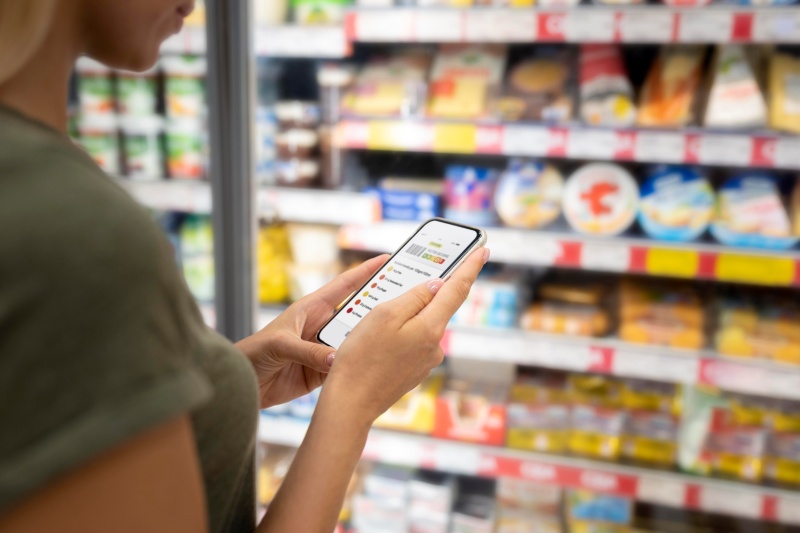
These are some factors that the FMCG industry needs to prepare for in the digital economy 2030.
1. Sustainability Takes Center Stage
Environmental concerns are no longer niche; they’re mainstream. One of the most impactful FMCG trends for 2030 is the prioritization of sustainability across the entire value chain.
Consumers, especially younger generations like Gen Z and Millennials, are demanding products that are ethically sourced, transparently labeled, and environmentally responsible.
Based on AskLumia research, brands must embed digital transformation and sustainability as interconnected pillars of their core strategy, not as separate initiatives.
It must be embedded across product development, packaging, logistics, and waste management. By 2030, circular economy principles, upcycled ingredients, and eco-friendly packaging will be table stakes.
Consumers are willing to pay more for products that align with their values, and that creates a competitive advantage for brands that act now.
2. Health and Wellness Move to the Forefront
The pandemic accelerated an existing shift toward health-centric consumption, and this will continue to shape FMCG trends into 2030.
From functional foods and immune-boosting supplements to holistic personal care and mental wellness products, consumers are seeking offerings that deliver real, measurable benefits.
Also, based on AskLumia research, hyper-personalization and a focus on health and wellness have become central to consumer demand, fundamentally altering product innovation strategies.
Internal AskLumia consumer personas reveal a high likelihood of purchasing products tailored to dietary preferences, while AskLumia’s meta-analysis of survey data shows over 90% of consumers are health-conscious.
External research corroborates this, predicting a $1.7 trillion health and wellness market and a shift toward AI-driven, DNA-based nutrition.
Related article: Future of FMCG 2030 and the Rise of AI Retail
3. Digital is the New Frontline
Digital transformation isn’t a future possibility; it’s an ongoing reality shaping core FMCG trends. By 2030, digital channels will dominate purchase journeys.
E-commerce, social commerce, direct-to-consumer (D2C) platforms, and mobile apps will command a significant share of FMCG revenues.
Consumers expect seamless experiences, from browsing to ordering, delivery, and post-purchase support. Omnichannel strategies, where physical and digital experiences merge, will be essential.
Investments in AI-powered personalization, real-time customer service chatbots, and predictive logistics will differentiate winners from laggards.
In addition to online sales, digital content, especially short-format video and interactive livestreaming, will drive brand engagement and conversion.
4. Retail Formats Evolve
AskLumia explains that FMCG brands should develop and scale a robust Direct-to-Consumer (D2C) strategy that complements existing retail channels.
The focus should be on using the first-party data captured through D2C to enhance personalization, improve customer loyalty, and test new product innovations rapidly.
The future of FMCG retail is flexible, intelligent, and integrated. Physical stores are not disappearing, but they are transforming. One of the standout FMCG trends for 2030 is the rise of hybrid retail formats that prioritize experience, automation, and convenience.
Unmanned checkout, cashier-less stores, smart shelves powered by sensors and IoT, and frictionless mobile payments will become increasingly common. Brands that partner with retailers to enhance in-store technology and shopper insights will benefit from improved visibility and sales performance.
In many markets, micro-fulfillment centers and dark stores (retail spaces dedicated to online order fulfillment) will become critical infrastructure for rapid delivery.
5. Personalization and Data Intelligence Grip Growth
In an era of information overload, generic marketing is losing its effectiveness. Personalization is a major FMCG trend that will continue through 2030, driven by advanced data analytics and AI.
Brands will leverage first-party consumer data, with strong privacy protections, to deliver personalized product recommendations, tailored promotions, and relevant messaging across channels.
Behavioral insights, purchase history, contextual signals, and even sentiment analysis will inform smarter campaigns and product strategies.
Data intelligence will also help brands forecast demand, optimize pricing, and reduce waste. However, success in this area requires investments in infrastructure, data governance, talent, and ethical frameworks for data use.
6. Purpose Beyond Profit Influences Choice
Purpose-driven brands that champion social issues, inclusivity, community empowerment, and ethical labor practices are reshaping consumer expectations. Another enduring FMCG trend is that consumers increasingly align with brands whose values reflect their own.
This goes beyond donating to causes; it’s about embedding purpose into business strategies. Whether it’s fair trade sourcing, ethical labor practices, or community development investments, brands must demonstrate a genuine commitment to broader social impact.
Doing so builds deeper emotional connections, enhances brand reputation, and fosters long-term loyalty.
7. Agility and Innovation Are Imperative
By 2030, the pace of change will be faster than ever. The most resilient FMCG brands will be those that build agile operating models, capable of adapting quickly to market shifts, supply chain disruptions, and emerging consumer needs.
Innovation pipelines must be responsive and iterative. Concepts like rapid prototyping, consumer co-creation, and real-world testing will help brands validate ideas faster and reduce time-to-market.
Importantly, agile brands will learn from data, pivot where necessary, and remain grounded in consumer insights, not assumptions.
Related article: Consumer Insight as a Strategic Asset in the Digital Economy
Embrace the Future of FMCG Trends with Confidence
The landscape of consumer goods is evolving at lightning speed. The FMCG trends highlighted above, from sustainability and health to digital retail and personalization, are shaping the next decade of growth and competition.
Brands that proactively adapt strategies today will be the leaders of tomorrow. Future success requires forward thinking, deep consumer understanding, and a willingness to invest in innovation and resilience.
Ready to anticipate tomorrow’s market demands? Use Market Research Populix to predict future category demand, identify emerging consumer needs, and make data-driven decisions that accelerate growth.
With Market Research Populix, you can stay ahead of shifting FMCG trends and confidently build the future of your brand. Contact us now to get more information about the research solution.

Related article: Business Models That Will Thrive in the 2030 Digital Economy