
 IDN
IDN
 ENG
ENG 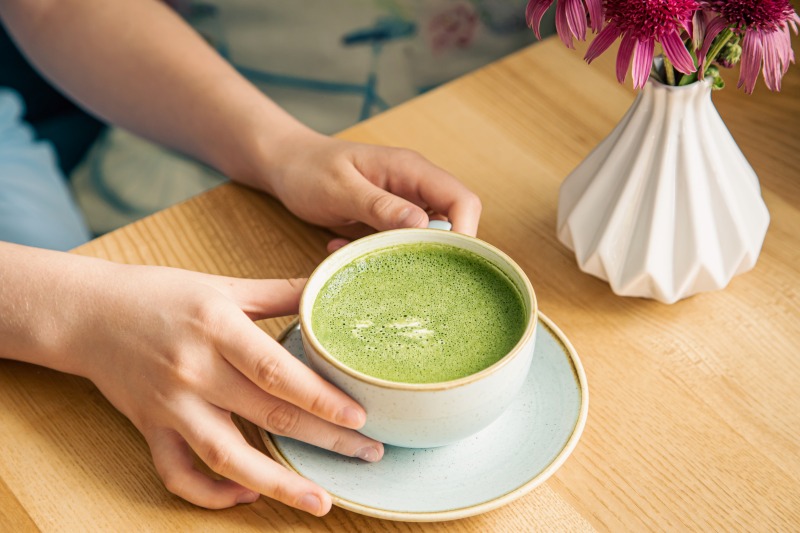

The global matcha market is growing rapidly, and Jakarta is embracing the trend. Over the past year, multiple new matcha cafe spots have opened across the city, with consumers willing to wait in long lines just to try them.
These people come not only to try the drink but also to be part of the hype. They take photos, share their experiences on social media, and want to be the first to taste what the brand has to offer. These long queues show how strong the interest of Jakarta’s customers is in this type of beverage.
This phenomenon cannot be separated from how young people in Jakarta today are health-conscious and love trying new things. They see cafes as more than just a trendy spot to grab a drink; they see them as a second home, a place to work, hang out with friends, or escape the chaos of the city. For the right matcha cafe, this creates a huge opportunity.
However, the opportunity comes with real challenges. Several local players have already gained traction with strong branding, visually striking drinks, and sharp social media strategies. So, like any promising opportunity, success depends on understanding what today’s consumers want, what competitors are doing, and how to create a meaningful brand experience that stands out.
To help you understand this better, we conducted research through AskLumia.
Key Insights Behind Jakarta’s Successful Matcha Cafe
AskLumia allows you to research any topic in depth. Whether it’s understanding consumer preferences, analyzing competitors, or exploring market trends, AskLumia gives you the knowledge you need to make informed decisions and stand out in a competitive market.
To navigate these challenges, we began the research with a simple prompt: “What is the market potential for matcha cafes in Jakarta, and what is the optimal positioning strategy?”
Core Research Findings
After diving deep into Jakarta’s matcha market, AskLumia provides a clear and comprehensive understanding of the current landscape, revealing critical insights into consumer preferences, the competitive environment, and key success factors.
These findings show that there is a big opportunity for a new matcha cafe, as long as it can meet what Jakarta’s consumers are looking for. The market is growing but also competitive, so success depends on having a clear and focused strategy.
- The target consumer base in Jakarta consists mainly of health-conscious young adults (18–34) who frequent cafes for socializing, work, or relaxation, and are drawn to matcha for its health benefits and unique taste. They prefer high-quality matcha lattes, are open to innovative flavors, and show a strong preference for oat milk. While price-sensitive, with an ideal price range of IDR 30,000–45,000, they are willing to pay a premium (up to IDR 65,000) for ceremonial-grade or high-quality, authentic Japanese matcha.
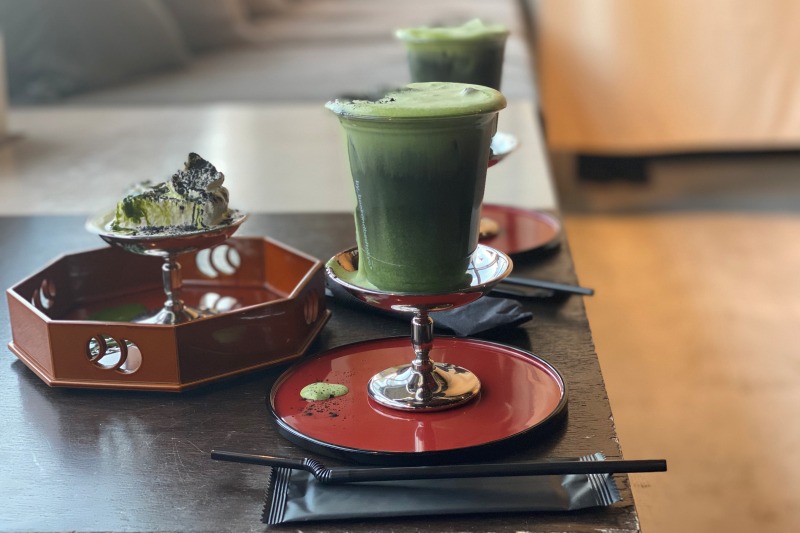
- The competitive landscape in Jakarta is characterized by viral cafes like UKI Matcha and Feel Matcha, which have successfully positioned themselves through modern branding, artisanal and visually appealing drinks, and strong social media engagement. These competitors leverage digital platforms to create hype and establish themselves as trendy, premium destinations for matcha lovers. Their success underscores the importance of a strong brand identity and an experiential approach to stand out in the market.
- Key success factors for cafes in Jakarta include not only the quality of beverages but also the overall customer experience, which encompasses ambiance, authenticity, and community engagement. Consumers value knowledgeable staff, brand storytelling, and sustainable practices, and they are receptive to technological conveniences like mobile ordering. Marketing success is driven by authentic customer experiences and community-building efforts rather than traditional advertising, with social media trends being a major influence on consumer choices.
Strategic Recommendations for Entering Jakarta’s Matcha Market
Based on these findings, AskLumia has developed a set of strategic recommendations designed to ensure a successful market entry and establish a strong, defensible position for a new matcha cafe in Jakarta.
These recommendations provide a clear roadmap for developing a compelling brand, a differentiated customer experience, and an effective marketing strategy. By following this guidance, a new matcha cafe can attract the right customers and grow successfully.
Focus on authentic wellness with high-quality menu options
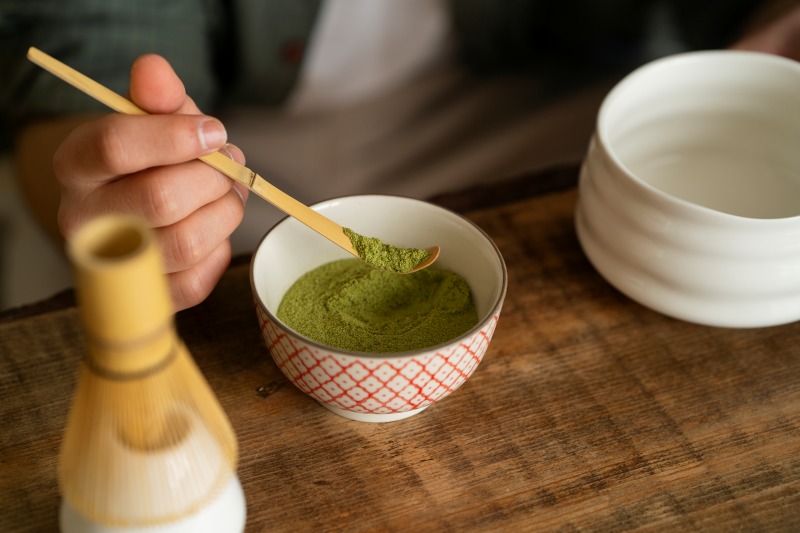
Adopt a positioning strategy centered on an “Authentic Wellness Experience” by sourcing high-quality, ceremonial-grade matcha directly from Japan to ensure authenticity and superior taste. Develop a focused menu that includes traditional matcha preparations alongside innovative, healthy options like low-sugar flavored lattes and plant-based milk alternatives. Emphasize transparency in sourcing and clearly communicate the health benefits of the products to appeal directly to the values of the target consumer base.
Create a comfortable cafe that feels welcoming and modern
Create a unique and highly “Instagrammable” cafe ambiance that combines modern aesthetics with natural elements, comfortable seating, and amenities like reliable Wi-Fi and power outlets to attract students and professionals. The design should reflect the brand’s commitment to authenticity and wellness, creating a welcoming environment for both socializing and working. This focus on customer experience will serve as a key differentiator from competitors and encourage user-generated content on social media.
Leverage digital marketing to build a strong community
Implement a digital-first marketing strategy focused on building a strong community and leveraging authentic user-generated content on platforms like Instagram and TikTok. Collaborate with local health and lifestyle influencers to generate buzz and credibility, and use engaging content to educate customers about matcha’s benefits and origins. Foster customer loyalty through targeted promotions, student discounts, and community events like matcha-tasting workshops to create brand advocates and drive repeat business.
Jakarta’s Matcha Lovers Are Ready for Something New
Jakarta’s matcha market is real, and it’s ready for a new player who gets it. Based on insights from AskLumia, matcha lovers in Jakarta are typically young adults between 18 and 34 years old. They’re the types who care about health, spend time in cafes regularly, and are willing to try new flavors and products.
The interesting part is that these customers aren’t just price hunters. Most of them are happy to spend between IDR 30,000 and IDR 45,000 on a matcha drink. Even more surprisingly, they are willing to pay IDR 65,000 or more if they know they’re getting the real deal, like quality, authenticity, and a great experience.
The successful matcha cafes in Jakarta get it. They are not just serving high-quality beverages but also offering an overall customer experience that includes ambiance, authenticity, and community engagement.
Customers now want to know where the matcha actually comes from. They want friendly staff who genuinely know their stuff. They want to feel like they’re supporting a brand that cares about quality and sustainability, not just chasing trends.
If you want to validate your matcha cafe concept with real data, explore AskLumia now!

Related article: Podcast Indonesia Trends and Strategies 2026