
 IDN
IDN
 ENG
ENG 

Have you ever tried to order something online but then hesitated to pay because you weren’t sure how the payment methods actually work? If so, you’re not alone. Digital services across Indonesia are losing customers at checkout, and the issue isn’t product quality or pricing; it’s the payment experience itself.
As digital payment methods evolve rapidly in Indonesia, companies face a critical challenge where checkout processes no longer align with how Millennials actually want to pay. When users encounter complicated payment flows, unexpected failures, or limited options, they tend to abandon their carts and move to other platforms.
The competitive landscape is more demanding than ever. Indonesian Millennials are a diverse group with varying ages, income levels, and shopping habits, yet they all expect convenience, speed, and security at every touchpoint. While some platforms have tried to modernize their payment systems, many still rely on a one-size-fits-all approach that doesn’t account for the different preferences within this group.
For example, older and higher-income Millennials often prefer using credit cards for larger purchases, whereas others still rely on traditional bank transfers. This mismatch doesn’t just lead to lost sales; it also weakens customer loyalty, as users naturally gravitate toward platforms that offer smoother and more personalized payment experiences.
To understand exactly what Indonesian Millennials want from their payment experience and how to optimize conversion rates, we conducted comprehensive research through AskLumia.
Understanding Indonesian Millennials’ Payment Digital Preferences and Behaviors
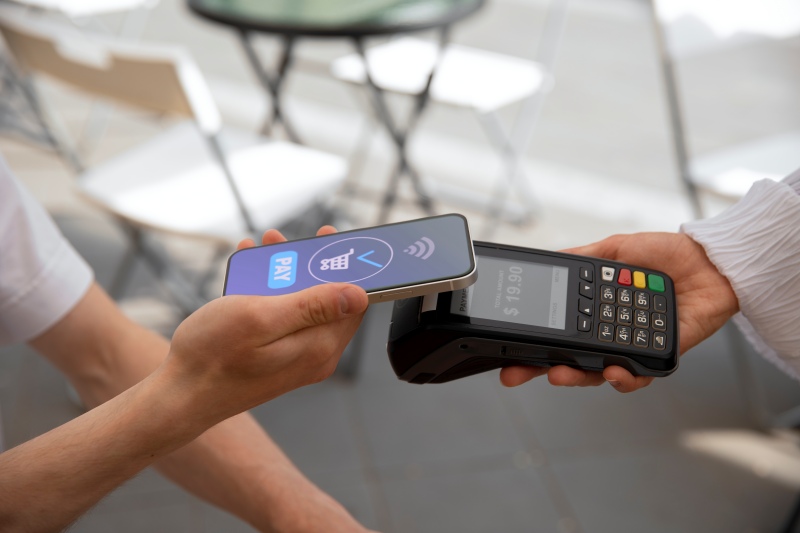
Research doesn’t have to be complicated. With AskLumia, you can quickly understand a topic and get useful insights, for both work and personal interests.
For this research, we started with a straightforward prompt: “Analyze payment behaviors, preferences, and adoption trends among Indonesian Millennials for digital services, including methods, incentives, and security concerns.”
Core Research Findings
AskLumia’s comprehensive analysis, integrating insights from internal digital personas, prior survey data, and external web crawling, reveals several key findings. These insights illuminate the specific payment preferences and behaviors of Indonesian Millennials that directly influence conversion rates for digital services.
- E-wallets, particularly GoPay, OVO, and DANA, are the dominant and most preferred payment methods among Indonesian Millennials, valued for their convenience and deep integration into digital lifestyles. External web data corroborates this, showing over 70% of Indonesians use e-wallets, with projections indicating they will handle 47% of all online transactions by 2027.
- Payment preferences within the Indonesian Millennial demographic are distinctly segmented. Internal surveys reveal that younger Millennials (18-24) heavily favor e-wallets for smaller, daily transactions, whereas older, higher-income Millennials (30-39) often prefer credit or debit cards for larger and business-related expenses, indicating a need for diverse payment options.
- User experience at checkout is a critical determinant of conversion rates, with convenience, speed, and security being the most valued attributes. Internal persona studies and external research from Stripe confirm that complicated processes, payment failures, and security concerns are primary drivers of cart abandonment.
- Promotional incentives and trust are powerful levers in payment method adoption. Internal surveys and external web data show that cashback and discounts significantly influence Millennial payment choices, while the presence of robust security features like two-factor authentication is crucial for building the trust necessary to encourage digital payment adoption.
Actionable Strategies to Make Payments Faster, Safer, and More Rewarding
Drawing from these findings, AskLumia has formulated a set of actionable recommendations. These strategies are designed to directly address the identified user preferences and pain points, thereby optimizing the payment journey to enhance customer satisfaction and significantly boost conversion rates.
a. Integrate and Promote Leading E-Wallets to Reduce Checkout Friction
Integrate and prominently feature the top three e-wallets, GoPay, OVO, and DANA, within the checkout process to align with the dominant preference of the target demographic. This action is supported by both internal surveys and external data confirming their high market penetration and user adoption rates, making them essential for reducing friction.
b. Implement a Segmented Payment Strategy to Cater to Diverse User Preferences
Implement a segmented payment strategy that offers a diverse menu of options, including not only e-wallets but also credit/debit cards and bank transfers. This approach caters to the varied financial habits identified in our internal meta-analyses, ensuring the platform accommodates different user segments, such as higher-income Millennials making larger purchases.
c. Redesign the Checkout Process for Speed, Intuition, and Security
Redesign the checkout process to be faster, more intuitive, and require fewer steps, while clearly displaying security credentials and features. This directly addresses the critical pain points of inconvenience and security concerns identified in our internal persona studies, which are major contributors to cart abandonment.
d. Develop Incentive Programs and Future-Proof the Payment Ecosystem with Emerging Standards
Develop a strategic promotional calendar offering targeted cashback and discounts for specific e-wallet payments to leverage incentive-driven behavior. Concurrently, create a technical roadmap for integrating QRIS to capture its growing user base and future-proof the payment ecosystem against evolving market standards.
Making Payment Easy and Trustworthy for Indonesian Millennials
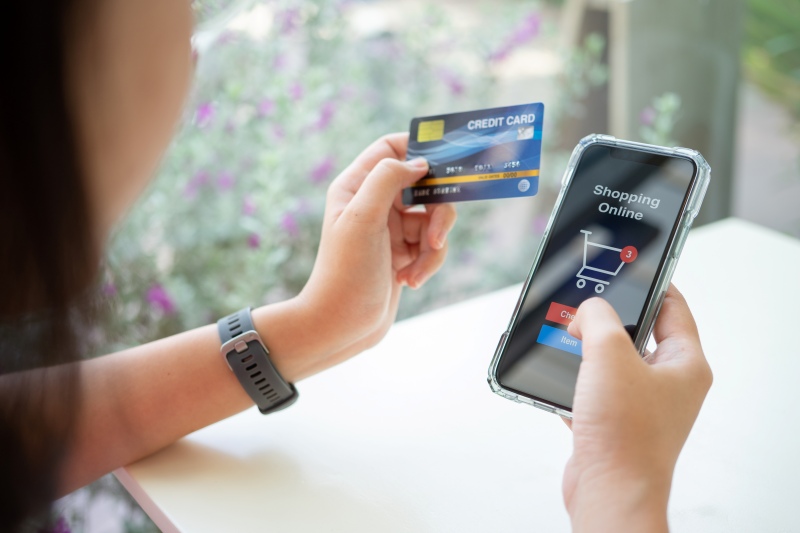
This research reveals that Indonesian Millennials aren’t just looking for payment options; they’re looking for payment experiences that respect their time, protect their money, and reward their loyalty.
Imagine the 24-year-old using an e-wallet to buy lunch has completely different needs than the 35-year-old buying business software with a credit card. Failing to account for these differences can make a large portion of potential customers feel that their preferences and priorities are being ignored.
The good news is that the solution isn’t overly complicated. It starts with acknowledging that payment optimization is an ongoing process, not a one-time implementation.
As QRIS adoption grows and new payment technologies emerge, the companies that thrive will be those that continuously adapt their payment infrastructure based on real user behavior and preferences. The data has shown that security features like two-factor authentication aren’t optional; they’re fundamental requirements for building the trust that converts browsers into buyers.
What’s really important is that promotional perks like cashback and discounts aren’t just bonuses; they’re smart tools for encouraging the payment behaviors you want and building customer habits. When used wisely as part of a bigger payment plan, these perks can guide users toward faster payment methods while making them more loyal to your brand.
For digital services aiming to compete in Indonesia’s crowded marketplace, improving the payment experience is one of the smartest investments they can make. Every abandoned shopping cart represents a lost customer, not just for a single purchase but potentially forever. Platforms that succeed will be those that make paying effortless, offer the payment methods users actually prefer, and build trust through strong security measures and attractive incentives.
Ready to change your payment strategy with insights that truly reflect what your users need? Explore AskLumia to run AI-powered research that turns payment problems into smooth conversions.

Related article: Foreign Digital Service Trust and Safety Challenges in Indonesia