
 IDN
IDN
 ENG
ENG 

To effectively design targeted marketing campaigns for students and recent graduates, it is essential to understand the key factors influencing their purchasing decisions, especially for high-value products like smart home technology.
As a generation that grew up with smartphones, became early adopters of technology, and is genuinely interested in making their lives more convenient, they represent one of the most promising customer segments for smart home brands. However, targeting them is not as easy as it seems. The reality is more complex than that.
Think about where most students or recent grads live. They’re usually in dorms, small studio apartments, or sharing a place with roommates they met online. Buying and installing high-end smart home devices, like doorbell cameras, can be too expensive for them, and in many cases, their landlords won’t allow it.
As young adults, they are often in the early stages of their careers, meaning they have limited disposable income and are careful about making long-term financial commitments. They also tend to prioritize convenience and portability over premium features, and their living situations may change frequently, making permanent installations less appealing. These factors create unique challenges for smart home technology brands trying to capture this audience.
To gain a better understanding of these challenges and identify strategic actions to create impactful marketing campaigns for unique segments, we conducted research through AskLumia.
Understanding the Student and Fresh Grad Mindset on Smart Home Technology
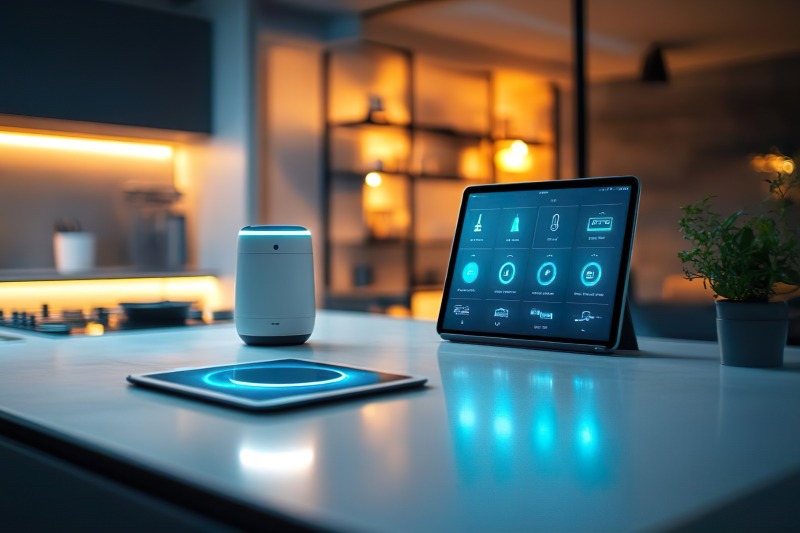
You can research any topic you’re curious about with AskLumia. From business to lifestyle, from personal to professional needs, AskLumia will help you get comprehensive and actionable insights in just minutes, not days or months.
For this topic, we started the research by asking a simple prompt: “Designing targeted marketing campaigns to drive brand awareness and adoption of smart home technology among the student and recent graduate demographic.”
Core Research Findings
AskLumia identified several critical findings that shed light on their motivations, barriers, and media consumption habits. These insights are crucial for developing a strategy that resonates with this unique demographic.
- Cost is the most significant barrier to adoption, as students and recent graduates operate on modest budgets, typically between $50 and $150 (approximately IDR 830.000–2.500.000) for such technology. Their enthusiasm is tempered by the high perceived cost of devices, coupled with practical challenges like installation complexity and temporary living arrangements in dorms or rented apartments.
- The most resonant marketing messages for this demographic center on four key themes: affordability, ease of use, lifestyle integration, and security. While convenience and energy efficiency are highly valued benefits, concerns about data privacy and the complexity of setup are major deterrents. To build confidence, messaging must be authentic and transparent, clearly addressing how the technology is both simple to use and secure.
- This audience is heavily engaged in digital media, spending several hours daily on platforms like TikTok, Instagram, and YouTube, which are their primary sources for discovering new products. They are highly influenced by peer recommendations and content from creators they perceive as authentic and relatable, such as fellow students or young professionals. Video content—particularly short-form videos—is the most effective format for capturing their attention and conveying information.
Strategies to Drive Smart Home Awareness and Adoption Among Students and Fresh Grads
Based on these core findings, AskLumia developed a set of strategic recommendations designed to overcome adoption barriers and connect with the target demographic. These actions will help drive both brand awareness and adoption of smart home technology among students and recent graduates.
The following recommendations provide a clear path forward for building a successful marketing campaign.
Affordable Smart Home Tech for Students and Young Professionals
Focus marketing and product bundling on entry-level, affordable devices such as smart plugs, speakers, and lighting that fall within the $50–$150 price range (approximately IDR 830.000–2.500.000). Emphasize plug-and-play functionality and portability to appeal to those in temporary housing, and introduce student-specific discounts or financing options. This approach directly addresses their primary financial and practical constraints, making the technology more accessible and appealing.
Highlighting Convenience, Savings, and Security in Marketing Messaging
Develop marketing campaigns with messaging that explicitly highlights convenience, cost savings, and robust security features. Create content that demonstrates the simple setup process and how the technology seamlessly integrates into a student’s or young professional’s daily routine. Transparency around data privacy policies is crucial to building trust and overcoming inherent skepticism toward technology.
Leveraging Social Media and Influencers to Drive Adoption
Concentrate marketing efforts on the social media platforms where this demographic is most active: TikTok, Instagram, and YouTube. Utilize short-form video ads and collaborate with student or young professional influencers to create authentic, relatable content. These influencers can effectively demonstrate the products’ ease of use and lifestyle benefits, leveraging the power of peer-to-peer validation to drive interest and adoption.
The Smart Approach to Marketing for Young Adults
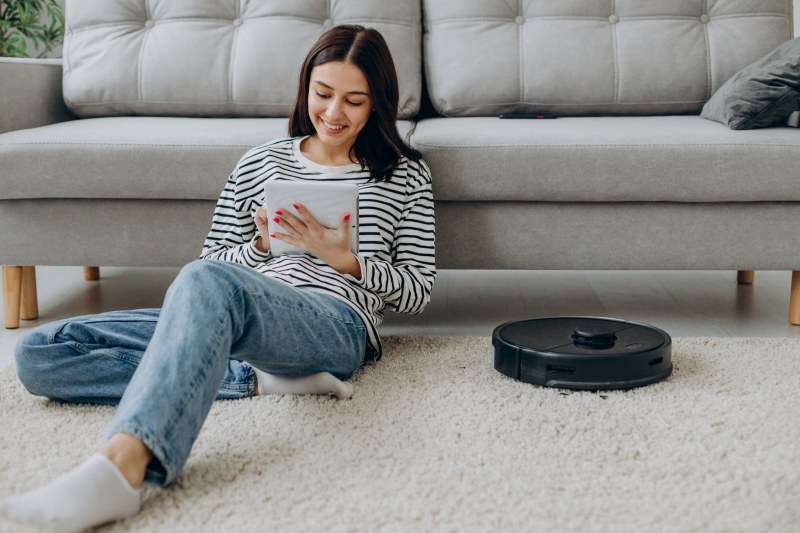
Marketing to students and recent graduates works best when you meet them where they really are. They live in two worlds where they are digital natives who love new technology, yet they are also careful with money and make practical decisions because of their financial limitations.
The winning formula comes down to three things:
- First, make it affordable with $50–$150 entry prices (approximately IDR 830.000–2.500.000), student discounts, and no expensive ecosystems.
- Second, make it simple with plug-and-play devices that work instantly and move easily between apartments.
- Third, make it authentic by using real students and young professionals on TikTok, Instagram, and YouTube to show how the products fit into their busy lives.
When you mix affordability, simplicity, and authenticity right, you’re not just selling products, you’re building early loyalty with people who are just starting their journey toward homeownership and higher earnings.
The students struggling with tight budgets today will become professionals with more spending power tomorrow. Earning their trust now helps you grow a long-term customer base.
These insights are only the starting point. To truly understand your audience, you need strong research, solid data analysis, and smart strategy. The right tools make that possible.
Ready to level up your marketing with AI-driven insights? Explore AskLumia now!

Related article: Turning Digital Followers into Offline Event Attendees