
 IDN
IDN
 ENG
ENG 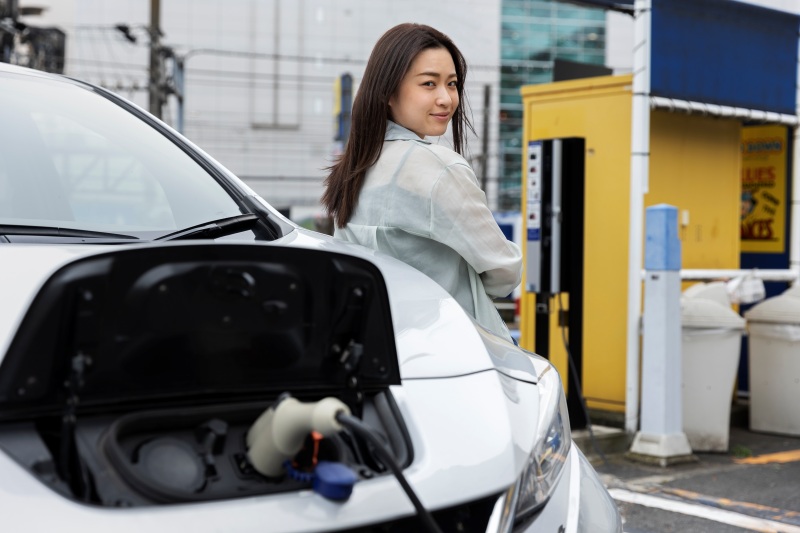

EV market trends are gaining momentum not only globally but also in Indonesia. More EVs are appearing on the roads, and public interest in electric vehicle adoption continues to grow.
However, this growing interest does not automatically translate into trust, especially for new foreign car brands entering the market. Indonesian consumers have spent decades relying on Japanese brands, and convincing them to switch isn’t easy.
This hesitation goes beyond brand recognition. Many customers are concerned about practical ownership issues, such as what happens if the car breaks down, how easy it is to find spare parts, and whether maintenance costs will be affordable.
These challenges are further shaped by a diverse and segmented consumer landscape. Older customers tend to stay loyal to established brands they trust, while younger and tech-savvy consumers are more open to new brands, particularly Chinese brands that offer competitive pricing and advanced features.
To better understand these dynamics, we conducted comprehensive research using AskLumia, an AI-powered platform that combines digital persona simulations with external market data.
EV Market Trends and Consumer Trust Dynamics in Indonesia

AskLumia allows you to research any topic you are curious about. Whether it’s for work, personal curiosity, or lifestyle needs, you’ll get comprehensive insights at your fingertips in just minutes.
For this topic, we began the research with a simple prompt: “Analyze consumer trust drivers toward new foreign automotive brands (including EV brands) in Indonesia.”
Core Research Findings
The analysis, integrating internal digital persona simulations with external market data, reveals a clear set of factors that govern consumer trust. These findings highlight the critical importance of operational excellence, brand perception, and market adaptation for any new foreign automotive brand aiming to succeed in Indonesia.
- Across all data sources, Indonesian consumers consistently rank product quality, reliability, after-sales service, and spare parts availability as the most critical factors for building trust. Internal digital personas express significant anxiety about potential breakdowns and the high cost or difficulty of finding parts, a sentiment strongly echoed by external web crawling data, which identifies these as core pillars for customer confidence.
- Internal research shows Indonesian consumers hold strong stereotypes based on a brand’s country of origin, associating Japanese brands with reliability and German brands with luxury but expensive maintenance. However, external data indicates a notable shift, with Chinese brands like BYD and Wuling rapidly gaining trust and market share through competitive pricing and strong local adaptation, challenging the long-standing dominance of Japanese manufacturers.
- A significant generational divide influences brand consideration, as revealed by our internal analysis. Younger consumers (18-34) show a greater emphasis on affordability, technology, and online research, making them more receptive to new brands. This is corroborated by external analysis showing younger customers are key drivers of the growing acceptance of Chinese brands, contrasting with older consumers who exhibit stronger loyalty to established names like Toyota.
- Pricing transparency is a major trust factor identified in our internal simulations, with consumers demanding clarity on all costs associated with ownership. External market trends reinforce this, showing that the success of emerging Chinese brands is heavily driven by their ability to offer advanced features and EV technology at competitive price points, altering the traditional value perception in the market.
Strategic Framework for New Foreign Automotive and EV Brands
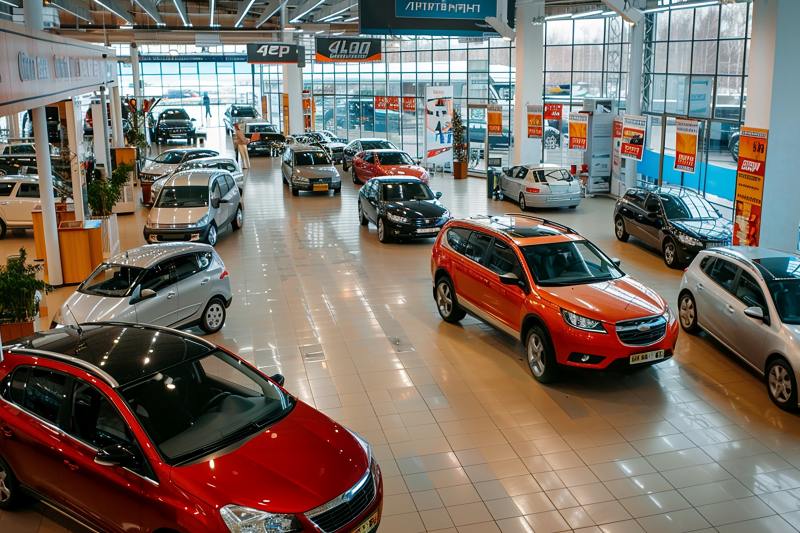
Based on these findings, AskLumia provides a strategic framework for new foreign automotive brands, including EV brands. These actions are designed to directly address the primary trust deficits and capitalize on the evolving dynamics of the Indonesian market.
a. Build and Communicate a Strong After-Sales Network
Prioritize building a comprehensive network of service centers and ensuring a readily available, affordable supply of spare parts before large-scale market entry. Brands must proactively communicate the strength of this support system in all marketing materials. This directly mitigates the primary consumer concerns identified in both internal and external research, providing tangible proof of long-term commitment.
b. Show Quality Through Proof and Experience
Brands must actively manage perceptions linked to their home country, especially those from emerging automotive nations like China. This means showcasing global successes, quality certifications, and technological prowess to counter stereotypes of uncertain quality. This strategy should be paired with strong local adaptation, as demonstrated by successful new entrants, to build a unique identity that resonates with Indonesian values.
c. Speak Differently to Younger and Older Customers
Create distinct marketing campaigns targeting different generational segments. Engage younger consumers through digital channels by highlighting technology, value, and positive online reviews, while reassuring older, more traditional customers through dealership experiences and messaging focused on reliability, safety, and long-term support.
d. Be Open About Pricing and Costs
Adopt a clear and transparent pricing structure that details the total cost of ownership, including maintenance and warranty. Brands should leverage competitive pricing as a strategic entry tool, especially for advanced technology like EVs, to challenge established value equations. This approach directly addresses consumer demands for honesty and builds trust from the initial point of contact.
EV Market Trends and the Role of Trust in Indonesia
This research shows that Indonesia’s EV market trends are changing consumer expectations, but trust remains the deciding factor for adoption. While EVs attract attention through innovation and technology, Indonesian customers continue to prioritize reliability, after-sales service, spare parts availability, and clear ownership costs.
The good news is that younger consumers are driving openness to innovation and value-focused alternatives. To win this generation, brands can focus on engaging with them through digital channels by highlighting technology, value, and positive online reviews. In contrast, older consumers approach EV adoption more cautiously, relying on established brand credibility, physical dealership experiences, and assurances of long-term service support.
EV market trends also amplify the importance of pricing transparency. Consumers want clarity on the total cost of EV ownership, from maintenance and warranties to battery-related concerns. Brands that communicate these costs openly are more likely to build trust and succeed in Indonesia’s EV landscape.
If you want to explore EV market trends or any other consumer behavior in depth, try AskLumia now. AskLumia helps you turn complex data into actionable insights through AI-powered digital persona simulations and external market analysis, so you can make smarter, faster decisions.

Related article: After-sales Service Gaps in Indonesia’s Automotive Market