
 IDN
IDN
 ENG
ENG 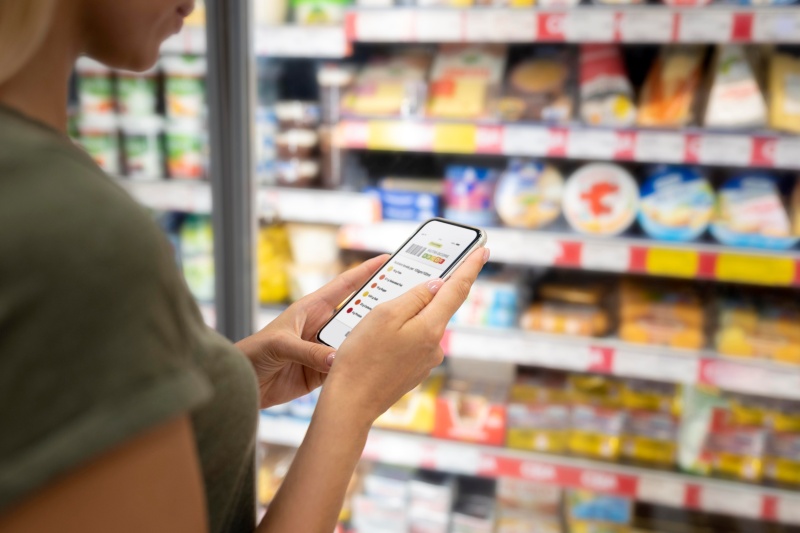

The future of FMCG shopping is set for a dramatic overhaul by 2030, driven by artificial intelligence (AI), rapid delivery services, and increasingly sophisticated automated systems.
As consumer expectations continue rising for speed, personalization, and convenience, the traditional grocery and convenience store shopping experience is morphing into a seamless, digitally powered ecosystem.
In this article, we’ll explore how online platforms, quick commerce, and automation will define the next decade of fast-moving consumer goods (FMCG) retail, and why businesses must stay ahead of these trends or risk being left behind!
The Digital Acceleration of FMCG Shopping
In the past decade, the online purchase of everyday essentials was largely seen as an add-on to traditional in-store shopping. However, the COVID-19 pandemic catalyzed consumer behavior shifts, normalizing online grocery purchases and accelerating the future of FMCG toward a digital-first reality.
According to industry analysts, digital FMCG channels are expected to grow at unmatched rates, with e-commerce capturing a significantly larger share of total FMCG retail sales by 2030.
Consumers now demand frictionless experiences: product search and discovery powered by AI, predictive reordering, personalized recommendations, and fast checkout. These are no longer luxuries; they are expectations.
Retailers are responding by integrating advanced technologies that can interpret customer preferences in real time, tailor offerings accordingly, and optimize inventory based on predictive forecasting.
Related article: Fastest-Growing Sectors in the 2030 Digital Economy
AI at the Heart of Personalized Shopping
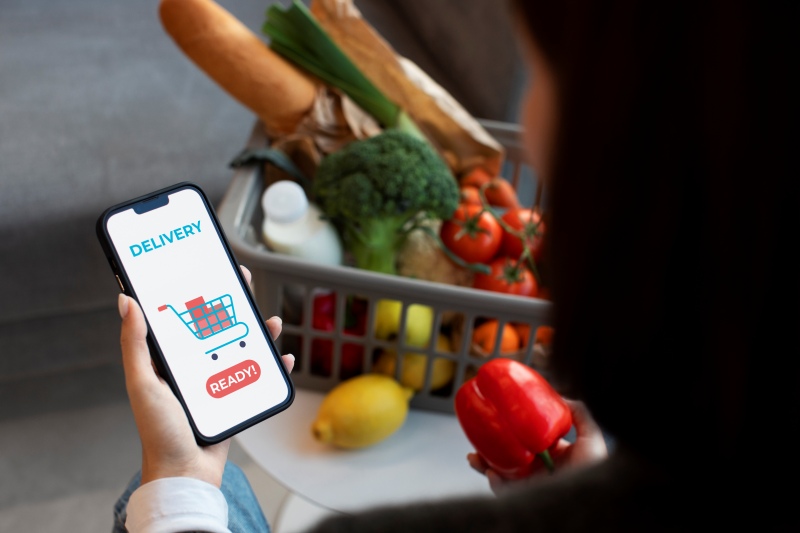
One of the most transformative forces in the future of FMCG is AI. Retailers are deploying machine learning algorithms to sift through vast amounts of consumer data, from purchase histories to click behavior, creating hyper-personalized shopping experiences that adapt to individual needs.
Imagine a shopper opening an app that already predicts what they need based on their habits, seasonal trends, and even local weather patterns.
AI engines can generate dynamic recommendations, suggest alternative products when popular ones are out of stock, and anticipate demand spikes before they happen. This level of personalization, once only seen in entertainment or fashion retail, is becoming mainstream in FMCG.
AI’s role goes beyond personalization. Inventory management systems powered by AI can forecast product demand with higher accuracy, reducing waste and ensuring shelves, virtual or physical, are stocked when customers need goods most.
This not only streamlines supply chains but also contributes to sustainability efforts by minimizing overproduction and spoilage.
The Rise of Quick Commerce: Redefining Delivery Expectations
Fast delivery, often referred to as quick commerce (q-commerce), is another pillar shaping the future of FMCG. Where traditional e-commerce might deliver essentials within a day or two, q-commerce promises delivery within minutes.
This is made possible through strategically located micro-fulfillment centers, urban dark stores, and agile logistics networks that leverage data and automation to fulfill orders rapidly.
Urban consumers, pressed for time and increasingly reliant on convenience, are fueling demand for rapid delivery of everyday essentials, from snacks and beverages to cleaning supplies and baby products.
In response, retailers and delivery platforms are investing in compact fulfillment nodes within cities and suburban hubs to meet expectations for speed.
But q-commerce isn’t just about fast delivery. It’s about responsiveness and adaptability: reacting to shoppers’ impulse needs, catering to unpredictable lifestyle patterns, and doing so profitably.
AI plays a substantial role here, too, powering route optimization, real-time delivery tracking, demand forecasting for micro-fulfillment centers, and dynamic pricing.
Automation’s Transformative Impact on FMCG Retail
Automation is reshaping the future of FMCG by improving efficiency, reducing costs, and enhancing the customer experience. Robotics, autonomous vehicles, and automated sorting systems are streamlining how goods move from warehouses to doorsteps.
In warehouses, robotic picking systems are already boosting throughput by handling repetitive tasks with speed and precision. Autonomous vehicles and delivery drones, once considered experimental, are now advancing toward commercial viability in many regions.
These technologies promise faster deliveries, lower labor costs, and new ways of reaching customers in hard-to-serve areas.
In physical retail environments, automation is enhancing convenience with cashier-less checkout systems, smart shelves that track stock levels automatically, and digital assistants that help customers locate items quickly.
Retailers that integrate these technologies not only reduce operational friction but also create memorable shopping experiences that drive customer loyalty.
Related article: 7 Digital Transformation Steps for the Digital Economy 2030
Seamless Integration Between Digital and Physical Worlds
Even as online channels proliferate, physical stores will remain an integral part of the future of the FMCG landscape. What’s changing is how these physical and digital channels converge.
Hybrid models such as “click-and-collect,” curbside pickup, and shared inventory between online and offline platforms offer consumers the flexibility to choose how they shop.
Retailers are investing in omnichannel frameworks that unify data across all touchpoints, from mobile apps to in-store interactions, creating a single view of the customer.
This enables smarter decision-making across assortment planning, pricing strategies, and promotional campaigns. In this ecosystem, customers enjoy personalized experiences regardless of where they interact with a brand.
Imagine walking into a store with your app already suggesting deals relevant to your preferences, or receiving a push notification for products you regularly purchase as soon as you enter a specific aisle.
This convergence of digital insights and physical shopping convenience solidifies the seamless future consumers are beginning to expect.
Challenges and Considerations for FMCG Retailers
Despite the massive potential of online shopping, quick commerce, and automation, retailers face significant challenges as they prepare for the future of FMCG:
- Data Privacy and Security: With AI systems collecting vast volumes of consumer data, ensuring privacy and building trust with customers is critical.
- Infrastructure Costs: Developing and maintaining micro-fulfillment hubs, robotics systems, and automated delivery fleets require substantial investment.
- Workforce Transformation: As automation increases, companies must balance technological adoption with reskilling workforces and fostering humane labor practices.
Overcoming these challenges will require not just technological adoption, but strategic vision and investment in capabilities that balance operational efficiency with customer satisfaction.
What’s Next for Consumers and Retailers
By 2030, grocery shopping and purchasing everyday essentials will look fundamentally different from today. Consumers will enjoy more convenient, personalized, and rapid experiences, from browsing recommended products on AI-powered platforms to receiving items at their doorsteps within minutes.
For retailers, the imperative is clear: embrace digital transformation, invest in AI and automation, and build agile, consumer-centric systems that can navigate an increasingly competitive landscape.
To succeed in this evolving market, staying informed on the latest trends and consumer behaviors is essential.
Track Trends with Market Research Populix
Understanding the dynamics shaping the future of the FMCG industry is crucial for businesses poised to lead in the digital era. Track e-commerce trends with Market Research Populix to get deep insights into consumer preferences, adoption of AI-driven retail models, and the growth of quick commerce.
Armed with data-backed intelligence, your business can design strategies that resonate with tomorrow’s shoppers and thrive in a rapidly changing marketplace.
Explore how Market Research Populix can help you stay ahead in the future of FMCG and unlock opportunities for growth in 2030 and beyond. Contact us now to get more info about the research service!

Related article: Key Drivers of Purchase Decisions in the SEA Consumer Market